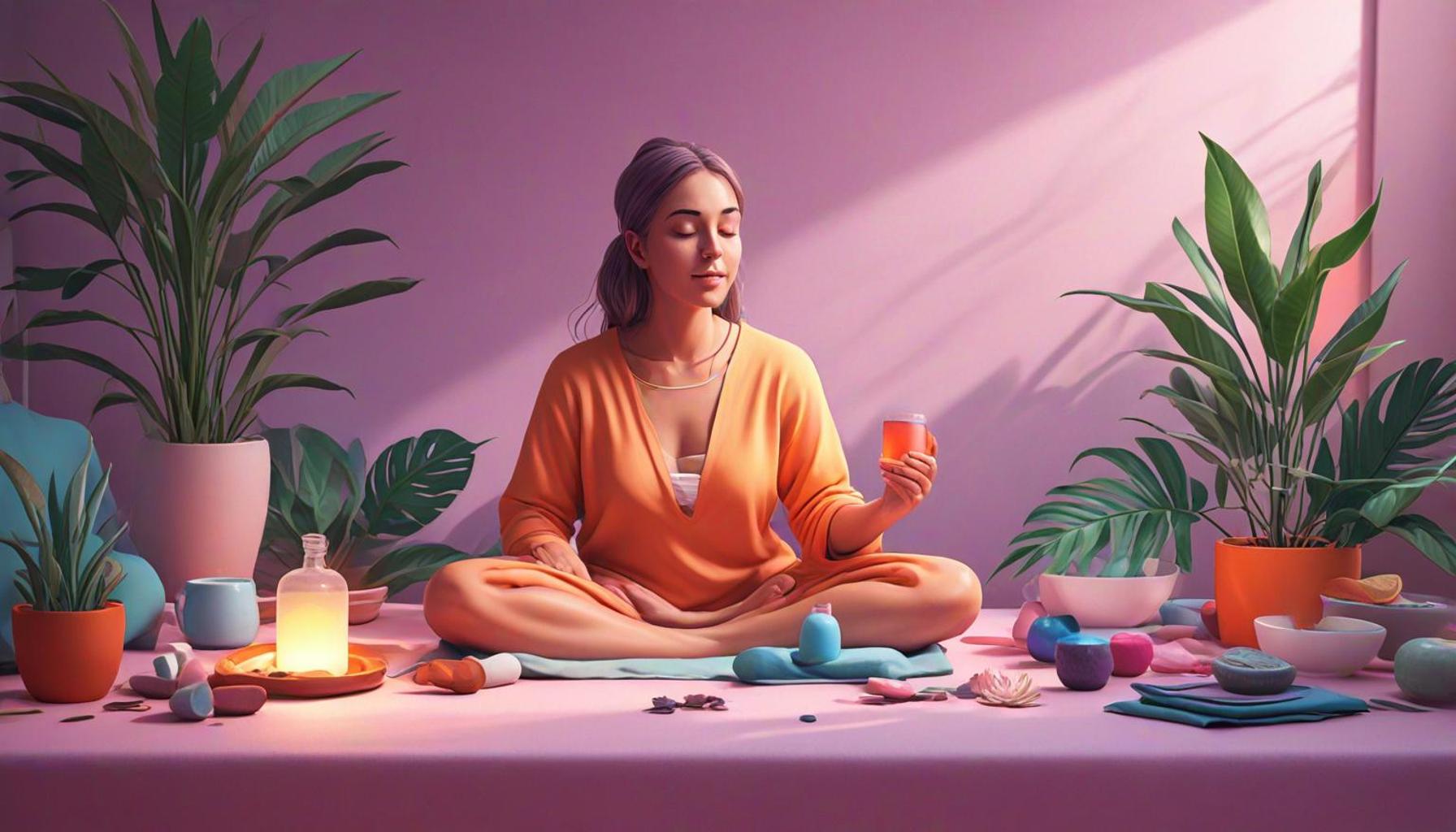
Create a Sensory Space at Home for Relaxing Night Rituals
Anúncios
In today’s fast-paced world, finding moments of tranquility is crucial for mental well-being. Establishing a sensory space at home offers an inviting sanctuary where one can unwind, reflect, and meditate. This article will guide you through the significance of creating such an environment specifically designed for nighttime relaxation rituals.
A well-curated sensory space not only enhances your meditation practice but also transforms your nightly routine into a soothing experience. Here, we’ll explore important aspects to consider while designing your space, including:
Anúncios
- Lighting – Soft, ambient light fosters tranquility.
- Sound – Calming music or nature sounds can enhance relaxation.
- Scents – Aromatherapy can create a calming atmosphere.
- Textures – Cozy materials help create a comforting environment.
- Colors – The right palette can promote serenity.
By implementing these elements, you’ll not only support your meditation practice but also improve your overall well-being. Stay tuned as we unveil the Top 5 essential items for creating the perfect sensory space at home.
Top 5: Creating a Sensory Space at Home for Nightly Relaxation Rituals
In today’s fast-paced world, it’s essential to carve out time for ourselves to unwind and relax. Creating a sensory space in your home dedicated to nightly relaxation rituals can significantly enhance your overall well-being. A thoughtfully designed environment can not only soothe the senses but also offer a retreat from daily stressors, creating a perfect transition from busyness to tranquility. Here is a ranked list of five essential elements that can transform your space into a haven for meditation and relaxation.
Anúncios
5. Calming Lighting
Lighting plays a vital role in setting the mood for relaxation. While harsh, bright lights can be jarring, soft, warm illumination promotes a tranquil environment. The right lighting can help signal to your body that it’s time to relax, slowing your heart rate and reducing stress levels. To seamlessly incorporate calming lighting into your relaxation space, consider the following options:
- Dimmer Switches: These allow you to control the brightness of your room, providing the flexibility to adjust the lighting based on your mood and needs. This option is excellent for creating a gentle transition from day to night.
- Candles: Use scented candles to add both fragrance and a soft glow to your space. Candles can evoke feelings of coziness and nostalgia that contribute to a peaceful atmosphere.
- Fairy Lights: String lights can introduce a magical ambiance without overwhelming brightness. They are perfect for outlining the contours of your space or adding a whimsical touch to your relaxation area.
Sensitive lighting choices not only enhance your sensory experience but also help prepare the body and mind for relaxation. This transformative power can turn even the busiest day into a soothing night.
4. Soundscapes
When constructing a sensory-rich environment, sound is an essential dimension. Soundscapes can effectively mask intrusive noise while promoting a calm, reflective state. Here’s how you can integrate soothing sounds into your relaxation rituals:
- Gentle Music: Choose soft instrumentals or ambient pieces tailored for relaxation. Classical music, such as Debussy’s “Clair de Lune,” or jazz standards, like Miles Davis’s “Kind of Blue,” can gently guide your mind into a restful state.
- Nature Sounds: Authentic sounds of nature, like rain, ocean waves, or rustling leaves, can transport you to serene outdoor settings, enhancing the feeling of escapism from daily life.
- Meditation Apps: Many mobile applications offer a variety of guided meditations with integrated soothing soundscapes. Apps such as Headspace or Calm provide specialized content that helps align your breathing and focus.
Carefully chosen sounds can ease the mental transition from a busy day to a peaceful night, setting the tone for relaxation and restfulness.
3. Aromatherapy
The power of scent should never be underestimated when creating a sensory space. Aromatherapy significantly impacts mental and emotional states, providing a vital component to your nightly relaxation setup. Incorporate the following aromatic elements to enhance your space:
- Essential Oil Diffusers: These disperse essential oils into the air, offering various benefits. Scents like lavender and eucalyptus are renowned for their ability to promote calm and reduce anxiety.
- Scented Candles: Beyond their visual appeal, scented candles add another layer of fragrance. Opt for scents that align with your relaxation goals, such as chamomile or sandalwood, known for their calming properties.
- Herbal Sachets: Place sachets filled with dried herbs like lavender or chamomile in your space. Their subtle yet persistent fragrance can be both grounding and soothing, perfect for a winding-down routine.
Aromatherapy’s gentle influence can prepare your mind and body for a state of deep relaxation and meditation, facilitating a peaceful end to your day.
2. Comfortable Seating
Creating a designated area that emphasizes comfort is crucial for maximizing your relaxation experience. The physical comfort of your seating can greatly affect your ability to relax and meditate. Here are some seating suggestions:
- Floor Cushions: These provide a supportive yet flexible seating arrangement, excellent for meditation or mindfulness practices.
- Yoga Mats: Ideal for grounding, yoga mats offer a stable base for stretching exercises or mindfulness activities that require focus.
- Recliners or Bean Bags: Comfortable lounging options, perfect for reading or simply unwinding, allowing the muscles to relax fully.
Investing in quality seating paves the way for uninterrupted relaxation and introspection, ensuring that physical discomfort does not mar your serene rituals.

1. Personal Touches
Finally, the most important aspect of creating a sensory space is to personalize it. Personal touches instill a sense of ownership and comfort, transforming the space into a true sanctuary for relaxation. Here’s how you can make it uniquely yours:
- Inspirational Art: Display artwork or quotes that inspire and uplift you. Choose pieces that resonate with your journey and aspirations, whether it’s a serene landscape or an abstract painting.
- Favorite Books: Curate a selection of literature that promotes mindfulness or spirituality, providing both an intellectual and emotional escape.
- Photos and Mementos: Personal photos or keepsakes add an emotionally resonant touch, celebrating cherished memories and reminding you of loved ones and special moments.
When you weave personal elements into your sensory space, it cultivates an environment that reflects your identity, enhancing the entire relaxation experience, making it special and deeply impactful.
In summary, creating a sensory space for nightly relaxation rituals involves careful consideration of various elements. From calming lighting to personal touches, each aspect plays a crucial role in establishing an environment conducive to unwinding and meditation. By harmoniously blending these elements, you can create a sanctuary that invites tranquility and restores your sense of balance, readying you to face the world anew the next day.
| Category | Key Features | Advantages | Disadvantages | Who Benefits |
|---|---|---|---|---|
| Lighting | Utilizing soft, adjustable light sources like lamps and candles. | Creates a calming atmosphere that encourages relaxation. | May require careful planning to achieve the desired effect. | Individuals looking to unwind after a long day. |
| Scents | Incorporating essential oils, incense, or scented candles. | Aromatherapy benefits that can improve mood and promote a sense of well-being. | Some may have allergies or sensitivities to certain fragrances. | Those seeking relief from stress or anxiety. |
| Textures | Incorporating soft materials like cushions, blankets, and rugs. | Enhances comfort and encourages comfort and relaxation. | May require maintenance to ensure cleanliness and upkeep. | Individuals and families looking for a cozy environment. |
| Sound | Utilizing calming music or sound machines that produce white noise. | Helps drown out disruptive noises and creates a peaceful auditory environment. | Responses to sound can vary, and not everyone finds it soothing. | People who live in urban or noisy environments. |
FAQs on Creating a Sensory Space at Home for Nighttime Relaxation Rituals
What are the key elements needed for a sensory space?
To cultivate a truly relaxing environment, focus on incorporating elements that engage multiple senses. Start with soft lighting, such as candles or dimmable lamps, to encourage a serene ambiance. Aromatherapy is another crucial component; consider using essential oils like lavender or chamomile for their renowned calming effects. Don’t overlook the power of sound; gentle music or nature sounds can significantly enhance your space. Lastly, ensure tactile comfort with soft textiles like plush blankets or cushioned floor mats.
How can I tailor the space to my personal relaxation needs?
Everyone has unique preferences when it comes to relaxation, so personalizing your sensory space is essential. Start by reflecting on what aspects of the environment make you feel the most at ease. If nature calms you, integrate plants or images of natural landscapes into your decor. If you find music soothing, create a playlist that promotes tranquility. Pay attention to temperature as well; a comfortable climate contributes greatly to your ability to unwind. Experiment with different elements until you find the perfect combination that speaks to your own needs.
Are there any common misconceptions about creating a relaxation space?
A widespread misconception is that you need to invest heavily to create an effective sensory space. However, creating a relaxation area doesn’t require a significant financial commitment; it’s more about intention and creativity. Start by repurposing items you already own, such as using scarves as dim light covers or repurposing glass jars into candle holders. Another myth is that more is better. In reality, simplicity often leads to a more effective relaxation space, preventing sensory overload and contributing to a clearer, more peaceful mind.
What role do colors play in a relaxation space?
Colors have a profound impact on mood and perception, making them a critical element in your relaxation nook. Opt for muted, soothing tones like blues, greens, and neutrals to foster a sense of calm and tranquility. These hues are known for their calming and restorative properties. Avoid bright, energizing colors like red or orange, as they can be overstimulating and counterproductive to your relaxation goals. Consider incorporating color psychology principles to refine the aesthetics of your space further.
Conclusion: Crafting a Nighttime Sanctuary for Relaxation
In the hustle and bustle of modern life, creating a personal haven for nighttime relaxation is not just a luxury, but a necessary step towards maintaining mental and physical well-being. As explored throughout this article, designing a sensory space at home can serve as a powerful tool for enhancing your meditation practice and promoting restful sleep.
By focusing on elements such as lighting, scent, sound, and tactile sensations, one can tailor the environment to foster tranquility and mindfulness. Incorporating soft and warm lighting helps in setting a peaceful ambiance, while calming scents from essential oils like lavender have shown to effectively reduce stress levels. Meanwhile, introducing soothing sounds, whether through gentle music or nature tracks, can further deepen the state of relaxation and enhance your meditation experience.
Textural elements also play a crucial role; choosing comfortable and inviting materials for your relaxation space ensures a tactile comfort that encourages prolonged periods of rest and reflection. By integrating natural elements such as plants, you not only improve air quality but also create a connection with nature, which is inherently calming.
Ultimately, the design of such a space should reflect personal preferences and cater to individual needs, encouraging a regular practice of nighttime rituals that celebrate peace and serenity. These sensory environments act as mini-retreats within your home, reinforcing the significance of unwinding while inviting you to explore new depths of meditation and relaxation. As you embark on this journey to create your sanctuary, remember that the path to inner peace begins at your doorstep, with a commitment to nurturing your senses and embracing tranquility.