How to Use Unconventional Formats to Make Your Resume Stand Out
Anúncios
The Power of Unconventional Resumes
In a competitive job market, securing your dream position often hinges on one key element: your resume. This document serves as your first impression to potential employers, making it essential to create a standout presentation of your skills and experiences. While a traditional resume may meet basic requirements, integrating unconventional formats can significantly enhance your visibility and appeal.
Anúncios
Picture this: You step into a pool of candidates, all vying for the same role, but your application stands out because of its creativity. This approach not only captures hiring managers’ attention but can also turn the hiring process in your favor, leading to more interview opportunities. Below are some innovative resume formats worth considering:
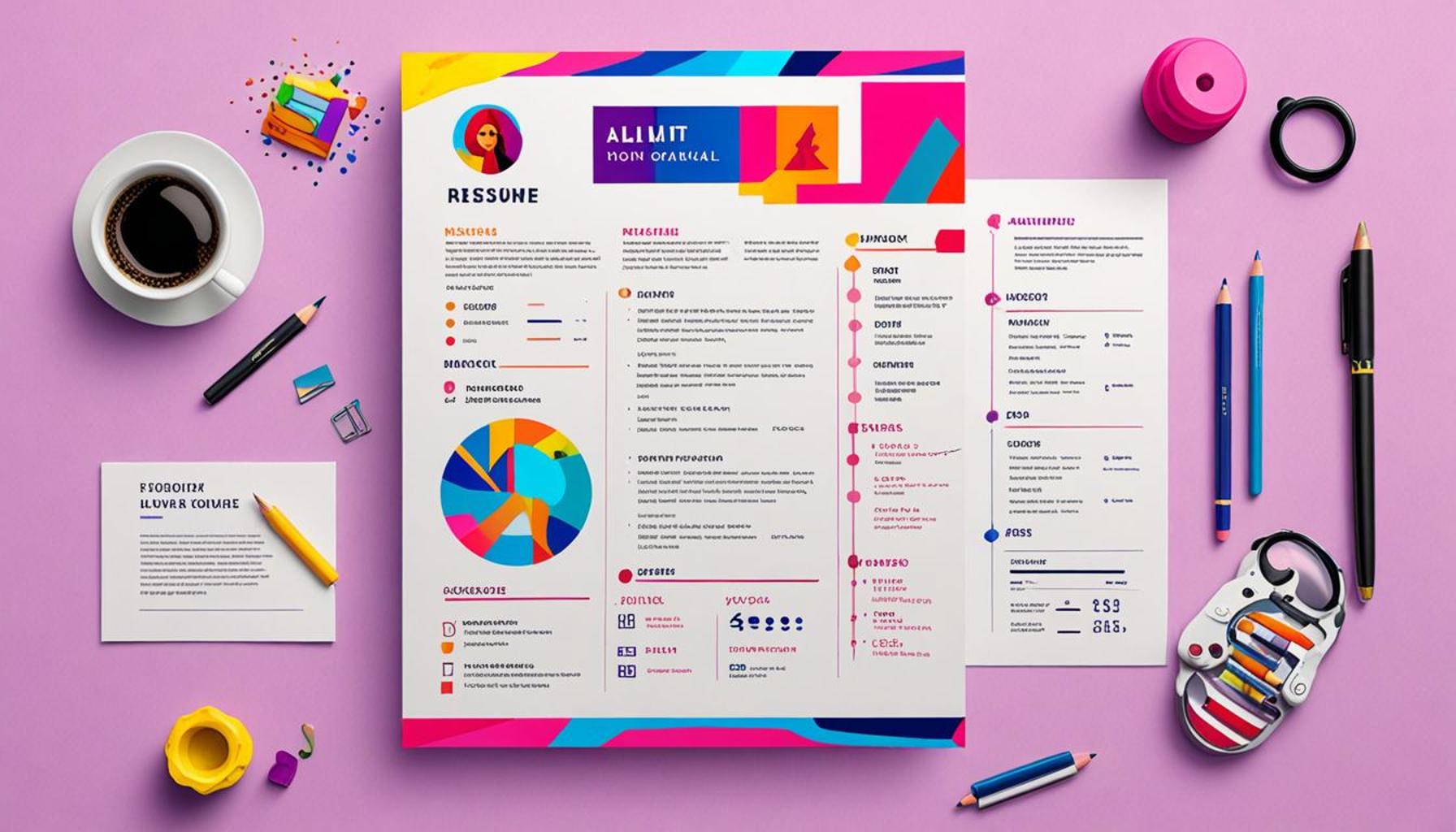
- Infographic Resumes: By utilizing eye-catching visuals and data-infused graphics, you can convey your skills and experiences in a way that’s not only informative but also engaging. For instance, you might use charts to illustrate your accomplishments or a timeline to depict your career progression, all while ensuring that the aesthetic aligns with your industry.
- Video Resumes: This dynamic format allows you to showcase your personality and enthusiasm in a short, compelling video. Imagine providing a brief overview of your qualifications supplemented by personal anecdotes that reflect your passion for the role. This can be particularly effective in fields like marketing or entertainment, where personality and charisma are essential.
- Portfolio Resumes: Combining your work samples with your resume creates a cohesive narrative of your capabilities. This format is especially beneficial for creatives, like graphic designers or writers, who can present their projects alongside relevant experiences to illustrate their skill set. By doing so, you provide tangible evidence of your abilities, making a stronger case for hiring.
- Interactive PDFs: Incorporating hyperlinks and buttons that redirect to your online portfolio, LinkedIn profile, or relevant work samples can add layers of depth to your resume. This interactive dimension can intrigue recruiters, as it encourages them to explore your online presence further, which is increasingly important in today’s digital age.
Such formats convey not only your qualifications but also reflect an innovative mindset. In an era where employers strive to identify unique traits and standout qualities, it’s time to rethink the traditional methods of self-presentation. However, it is essential to carefully consider the industry and company culture before diving into these creative formats. Not every sector may be ready to embrace the unconventional, and sometimes a more traditional approach may still be the best fit.
Anúncios
In the following sections, we will explore each of these unconventional resume formats in greater detail, dissecting their advantages and potential challenges. By understanding the nuances of each, you’ll be better equipped to craft a compelling application that truly represents your unique skills and experiences.
RECOMMENDED: Check out this similar article
Exploring Infographic Resumes
One of the most impactful unconventional formats you can adopt is the infographic resume. This format allows candidates to break away from the monotonous text-heavy traditional resumes, presenting information through visuals instead. Infographic resumes can effectively display a candidate’s skills and experiences in a concise yet visually stimulating manner. By embedding charts, icons, and timelines, you can make your accomplishments pop, captivating hiring managers from the first glance.
Research indicates that people retain 65% of information when it’s presented visually compared to just 10% when conveyed through text. This insight suggests that an infographic resume not only stands out but has a higher chance of making a lasting impression. However, creating an effective infographic requires careful consideration of design principles and industry standards. Here are some elements to include:
- Color Scheme: Choose a color palette that reflects your personal brand while ensuring readability. Bright and bold colors can work well in creative fields, but stick to more muted tones in corporate environments.
- Clear Hierarchy: Establish a visual hierarchy that guides the reader’s eye. Use headings and subheadings to categorize information clearly, making it easy to navigate.
- Visual Elements: Incorporate icons and graphics that represent your skills, like a bar graph showing your proficiency in various software or icons for languages spoken. This adds personality to your resume while allowing quick analysis of your qualifications.
- Space and Layout: Avoid clutter. Ensure ample white space to give each section room to breathe and make the entire document more digestible.
- Alignment with Industry: Infographic resumes are particularly suited for fields such as marketing, design, or tech, where creativity is valued. Before diving in, ensure that your industry will appreciate this format.
Embracing Video Resumes
Video resumes present another innovative option for job seekers looking to make a memorable impression. By stepping in front of the camera, candidates can highlight not only their resume but their personality, enthusiasm, and communication skills. A well-crafted video resume can convey passion and motivation, two critical components that hiring managers often seek.
When considering this format, it’s crucial to keep your video concise and engaging. Ideal video resumes range from one to three minutes, providing just enough time to discuss your qualifications without losing the viewer’s attention. Make sure your content includes:
- Introduction: Start with your name and a brief hook about your career aspirations or what excites you about the job.
- Key Achievements: Discuss your most significant accomplishments or experiences that align with the job you’re applying for.
- Personality Showcase: Use anecdotes or personal stories that demonstrate your soft skills or work ethic, making the viewer feel connected to you as an individual.
- Call to Action: End your video with a strong closing statement encouraging the viewer to learn more about you or inviting them to an interview.
While video resumes can be incredibly effective, they come with their own set of challenges. Technical issues, varying levels of comfort in front of the camera, and the potential for misinterpretation can hinder success. Nevertheless, in industries that prize innovation and creativity, a video resume could be your ticket to making an unforgettable first impression.
How to Use Unconventional Formats to Make Your Resume Stand Out
When creating a resume, the traditional template may not always be the most effective way to showcase your skills and experience. To truly capture the attention of potential employers, embracing unconventional formats can make a significant difference. Here are some innovative approaches that can enhance your resume and increase your chances of landing that dream job.
| Creative Format | Advantages |
|---|---|
| Infographic Resume | Utilizes graphics for a visually appealing and easily digestible presentation of skills. |
| Video Resume | Allows candidates to showcase personality and communication skills effectively through visual media. |
| Interactive Online Resume | Engages recruiters by providing an immersive experience with clickable links and multimedia. |
| Portfolio-Based Resume | Highlights work samples and projects, demonstrating skill levels through tangible evidence. |
To build an effective unconventional resume, it is crucial to tailor these formats to the industry you are targeting. For instance, creative industries may favor infographic or video resumes, while more traditional fields may appreciate a sleek, modern design emphasizing your achievements and portfolio. Additionally, always include key performance indicators from your past work to substantiate your qualifications, regardless of your chosen format.Utilizing unconventional formats allows you to disrupt the monotony of conventional resumes, turning an often mundane task into a unique opportunity for self-expression. Take advantage of these innovative styles and showcase your individuality, craftsmanship, and passion. By doing so, you will make your resume not just a document but a captivating narrative of your professional journey.
LEARN MORE: This related article may interest you
Jumping into Portfolio Resumes
If you are in a creative industry, such as graphic design, photography, or website development, consider using a portfolio resume. This unconventional resume format allows candidates to showcase their work directly alongside their professional experience. A portfolio resume offers a tangible representation of your skills and capabilities, making your qualifications stand out more prominently than standard resumes filled with text.
A portfolio resume typically combines elements of a traditional resume with samples of your work, demonstrating your skills through visual evidence. Here are some critical components to consider when crafting a portfolio resume:
- Curated Samples: Select pieces that represent your best work. This could include design projects, writing samples, or even a compilation of successful campaigns. The goal is to create a narrative around your skills, experiences, and creativity.
- Professional Presentation: Ensure your portfolio is well-organized and professional. Use high-quality images and logical formatting to make navigation seamless for hiring managers. An aesthetically pleasing layout adds to the impact of your work.
- Storytelling: Accompany your samples with brief descriptions or stories that not only explain the context of the project but also highlight your specific role and contributions. This helps employers understand your thought process and the impact of your work.
- Digital Accessibility: In today’s digital world, having your portfolio accessible online is essential. Consider creating a personal website to host your portfolio where hiring managers can easily access and navigate through your work.
- Tailored Content: Customize your portfolio resume for each job application. Highlight projects relevant to the position you are applying for, ensuring that your skills align with the prospective employer’s needs.
Utilizing Social Media Resumes
With the increasing prevalence of platforms like LinkedIn and even Instagram, social media resumes have emerged as creative tools for self-promotion. This approach involves leveraging your online professional presence to showcase your skills, experiences, and personality. Social media often allows for more flexibility than traditional resumes, enabling candidates to engage with potential employers in a dynamic way.
Here’s how to effectively use social media as part of your resume strategy:
- Optimize Your LinkedIn Profile: Craft a compelling LinkedIn summary that showcases your achievements and career goals. Utilize the platform’s features, like endorsements and recommendations, to bolster your credibility.
- Engagement: Regularly share content relevant to your field on LinkedIn or Twitter. This not only keeps you visible to your network but also positions you as an informed candidate in your industry by demonstrating your knowledge.
- Visual Storytelling on Instagram: For creative professions, Instagram can serve as a portfolio. Regularly post samples of your work and engage with others in your field. Use relevant hashtags to broaden your reach.
- Networking Opportunities: Utilize social media to connect with industry professionals, participate in relevant discussions, and join groups that align with your career aspirations. Building your network can open doors to opportunities not listed on traditional job boards.
- Personal Branding: Ensure your presence on social media reflects your professional persona. Consistent branding across platforms makes you more memorable to recruiters and hiring managers.
By incorporating portfolio samples or using social media strategically, job seekers can effectively convey their qualifications and unique personality in ways that traditional resumes might not allow. These unconventional formats not only grab attention but also enhance the likelihood of an impactful first impression in a competitive job market. With thoughtful execution, your resume can become a powerful narrative of your professional journey, showcasing your true potential.
ADDITIONAL INSIGHTS: Expand your understanding here
Final Thoughts on unconventional Resume Formats
As the job market continues to evolve, utilizing unconventional resume formats can significantly increase your visibility among potential employers. By exploring innovative approaches like portfolio resumes and social media profiles, candidates are able to showcase their skills, creativity, and personality in ways that traditional resumes simply cannot. These formats effectively allow applicants to tell their unique stories, delivering a memorable first impression that distinguishes them from the competition.
In crafting a standout portfolio resume, it’s crucial to curate your best work, maintain a professional presentation, and engage in storytelling that reflects your professional journey. Companies in creative industries are particularly receptive to such visually rich representations, which not only highlight qualifications but also illustrate the thought processes behind various projects. Meanwhile, leveraging social media platforms to complement your traditional resume can transform the job search experience. Actively engaging with relevant content and networking can lead to new opportunities, enhance your personal brand, and further solidify your online presence.
Ultimately, blending creativity with a strategic approach will enable you to develop a resume that not only stands out but also resonates with various audiences. As you chart your path in today’s competitive job market, consider embracing these unconventional formats to amplify your personal narrative. The right presentation of your unique skills can open doors to exciting new possibilities, making you a compelling candidate in the eyes of employers. So embark on this journey, and let your resume reflect the depth of your professional potential like never before.