
The Impact of Automation on Job Opportunities in Traditional Sectors
Anúncios
The Impact of Automation on the Workforce
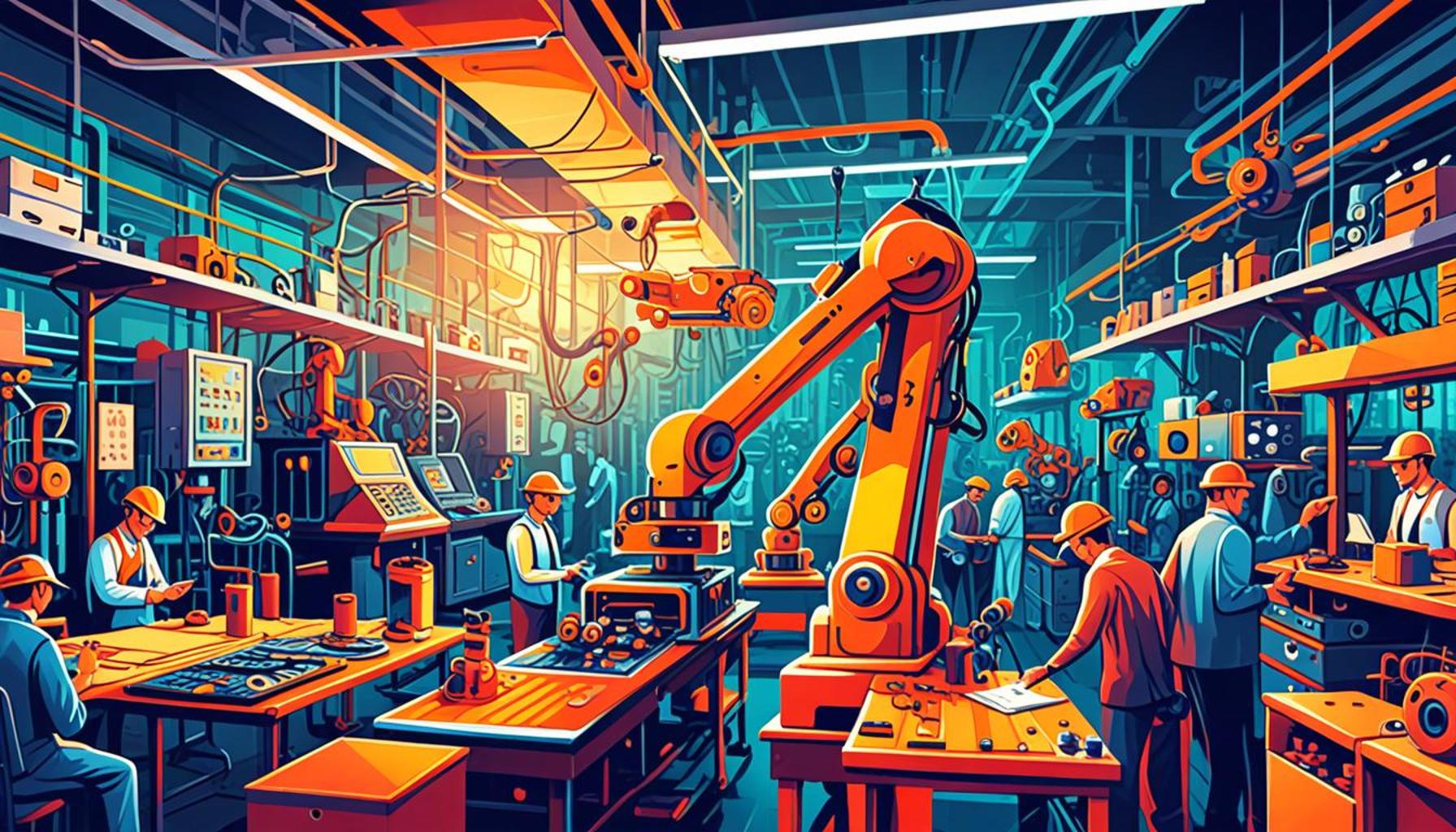
As technology evolves at a breathtaking pace, the role of automation in reshaping the workforce has become a critical topic of discussion among economists, business leaders, and policymakers. Traditional sectors such as manufacturing, retail, and agriculture are witnessing dramatic changes that may redefine job prospects for millions of workers. The integration of advanced technologies is not merely a fleeting trend; it’s a fundamental shift transforming the landscape of work itself.
Anúncios
The impetus behind this transition stem from several key factors. One of the primary drivers is the quest for increased efficiency and productivity. Companies are harnessing automation to streamline operations, enhance output, and minimize delays. For instance, in the automotive manufacturing industry, robotic arms perform intricate assembly tasks with precision that is far superior to human capability, significantly reducing production time and costs.
Another aspect contributing to this shift is the reduction in operational costs. Businesses often leverage automation to lower labor expenses. A notable example is in the fast-food industry, where restaurants increasingly deploy self-service kiosks. These not only expedite the order process but also cut down on staffing needs, allowing companies to allocate funds elsewhere, such as marketing or technological improvement.
Anúncios
Furthermore, changing consumer expectations are encouraging businesses to adopt automation technologies. Customers today demand faster service and convenient shopping experiences. Retailers like Amazon are at the forefront, utilizing automated warehouses and even exploring drone delivery systems to meet consumer demand for rapid delivery services.
However, this wave of automation brings forth complex challenges regarding job security and potential displacement of workers. As robots and AI systems take over tasks traditionally done by humans, a parallel call for rethinking employment arises. For example, consider the agricultural sector where drones in precision agriculture are revolutionizing crop management. While this technology enhances yield and efficiency, it raises the question: what happens to the laborers who once handled these tasks?
To achieve a comprehensive understanding of automation’s implications, this article will explore various case studies and statistical data. By examining diverse scenarios, we can shed light on both the challenges faced by the workforce and the emerging employment opportunities created by this technological revolution. In this exploration, we are not just looking at numbers; we are delving into the real stories of workers affected by these changes, how industries are evolving, and the pathways being forged for the future of work. Stay tuned to uncover how automation presents both hurdles and opportunities as we navigate this transformative era.
LEARN MORE: This related article may interest you
Automation in Manufacturing: A Double-Edged Sword
The manufacturing sector is one of the most visible arenas where automation has made a significant impact. The use of advanced robotics and computer-aided design systems has propelled the sector towards heights of productivity previously thought unattainable. According to a report from the World Economic Forum, it is projected that automation could displace approximately 85 million jobs globally by 2025. This figure highlights the dual challenge of job loss while also indicating the creation of new job categories—an effect that presents both risks and opportunities.
Manufacturers who embrace automation can witness substantial shifts in their operations:
- Increased Production Speed: With automated systems in place, production lines can operate around the clock, significantly boosting output.
- Improved Quality Control: Automation minimizes human error, leading to products with greater consistency and quality.
- Enhanced Worker Safety: By delegating dangerous tasks to machines, companies can create safer working environments, potentially reducing workplace accidents.
However, the implications of such advancements are not without concern. As machines take over assembly lines, workers who previously performed these roles face uncertainty. In the heartland of America, manufacturing jobs have already begun to see a decline—once a bastion of employment in states like Michigan and Ohio is now subject to transformative pressure from automation. The U.S. Bureau of Labor Statistics reports that manufacturing employment has dropped by nearly 1.5 million jobs since 2000, a trend that raises alarms for both workers and communities reliant on these industries.
Simultaneously, the demand for specialized skills is rising. As companies integrate complex systems requiring oversight, programmers, maintenance technicians, and engineers become invaluable assets. Therefore, while traditional roles may diminish, new pathways for employment can emerge. The question for policymakers, educators, and business leaders is how to facilitate this transition effectively. Upskilling programs and vocational training opportunities are essential to equip workers with the tools necessary to thrive in a highly automated environment.
Retail’s Transformation in the Age of Automation
The retail sector is another market at a tipping point under the influence of automation. The migration towards online shopping has been dramatic, accelerated by the COVID-19 pandemic, prompting companies to invest heavily in automation technologies to enhance customer experience. From automated checkout systems to fully automated warehouses, retailers are positioning themselves to meet ever-increasing customer expectations.
Consider these advancements reshaping the retail landscape:
- Automated Checkouts: Self-service kiosks and mobile scan-and-go shopping are streamlining the purchasing process, allowing customers to shop at their own pace.
- Inventory Management: Machine learning and AI-driven analytics are optimizing stock levels, reducing waste, and ensuring that customers find what they need in-store.
- Delivery Robotics: Companies like Amazon have started implementing drone and robotic delivery services to expedite the order fulfillment process.
While these innovations create efficiencies and can spur economic growth, they also signify a potential threat to jobs traditionally held by cashiers and stock clerks. Retail employment has already faced challenges, as e-commerce continues to reshape consumer behaviors. In 2020 alone, estimates showed that the retail industry laid off over 10 million workers due to shifts in shopping patterns, with many positions now rendered obsolete by automation.
Navigating this landscape requires a concerted effort to address the skills gap as traditional retail jobs decline. Organizations must innovate hiring and training models that focus on adaptability and technical skills, ensuring workers are prepared for roles in a digital and automated era.
As automation technologies continue to evolve, their influence on job opportunities in traditional sectors cannot be overlooked. Automation has the potential to enhance productivity and efficiency, leading to increased output while simultaneously altering the landscape of employment. For example, industries such as manufacturing, agriculture, and retail are experiencing a shift where repetitive tasks are increasingly being automated. This shift sparks a pressing discussion about the future of work and the necessary adaptation required by the workforce.In manufacturing, robots and automated systems handle tasks ranging from assembly to quality control, which not only speeds up production but also reduces human error. This creates a demand for skilled workers who can manage and maintain these technologies, resulting in new job categories that focus on oversight and technical proficiency. Similarly, agricultural automation includes advanced machinery for planting, harvesting, and sustainability efforts through precision farming, driving a revolution in how crops are cultivated.Furthermore, in the retail sector, self-service kiosks and automated inventory systems are becoming commonplace, leading to more streamlined operations. While this reduces the number of entry-level jobs, it also encourages the workforce to pursue training in customer experience and data management, aligning with the needs of a tech-savvy market.The dual impact of automation presents both challenges and opportunities. Workers must be proactive in adapting to this changing environment, focusing on upskilling and reskilling to remain competitive. Job displacement may arise, but with it comes the potential for job evolution into more meaningful roles that leverage human creativity and decision-making capabilities—traits that machines still cannot replicate. As we navigate this transformation, it is essential to foster a dialogue among industry leaders, policymakers, and educational institutions to design strategies that ensure a balanced transition into this automated future. Exploring the effects of automation on various sectors will reveal insights into how we can create a resilient workforce ready to thrive alongside technology.
RECOMMENDED: Check out this similar article
Transforming Agriculture: The New Frontier of Automation
As industries evolve under the pressure of technological advancement, the agricultural sector is no exception. Automation in agriculture is increasingly being utilized to streamline operations, improve crop yields, and manage resources more efficiently. Innovations such as autonomous tractors, drones for monitoring crops, and precision farming techniques are redefining what it means to farm in the United States.
The benefits of agricultural automation are notable:
- Precision Agriculture: Utilizing devices equipped with sensors and satellite imaging, farmers can make data-driven decisions to optimize planting, watering, and fertilization practices, ultimately leading to higher crop yields and reduced waste.
- Labor Shortages Mitigation: The agricultural sector has long struggled with labor shortages, especially during peak harvest season. Automation offers solutions by utilizing machines to perform arduous tasks such as planting and harvesting, which helps bridge workforce gaps.
- Sustainability Enhancements: Automation tools that enhance efficiency can lead to more sustainable farming practices. Lower chemical usage, improved water management, and reduced soil compaction contribute to a lower environmental footprint.
Yet, this technological shift is not without its challenges. A significant concern is the displacement of traditional farm jobs, which have historically provided employment in rural areas. According to the USDA Economic Research Service, the agricultural labor force has decreased by nearly 50% since the mid-20th century, with heightened automation poised to further reduce the number of workers needed on farms. This transition raises pressing questions about the future of rural employment and the communities built around these traditional roles.
On the flip side, the demand for technical expertise is surging. Roles such as agronomists, agricultural engineers, and drone operators are becoming crucial as farming moves towards a more technology-centric approach. Addressing this shift requires educational institutions to adapt their curriculums to produce a skilled workforce capable of thriving in a modern agricultural environment.
Healthcare Automation: Enhancing Efficiency and Patient Care
Another significant sector impacted by automation is healthcare. The integration of automated systems in hospitals and clinics is not only enhancing operational efficiency but also improving patient outcomes. From AI-driven diagnostics to robotic surgical assistants, the healthcare landscape is undergoing a radical transformation.
Healthcare automation presents numerous advantages:
- Streamlined Administrative Tasks: Automation technologies are increasingly handling scheduling, billing, and patient records management, allowing healthcare professionals to focus more on patient care.
- Improved Diagnostic Accuracy: Machine learning algorithms are being employed to analyze medical data quickly and accurately, assisting physicians in making better-informed decisions while reducing human error.
- Telehealth Revolution: Automation has spurred the growth of telehealth services, improving access to care, especially in underserved communities, while also minimizing the burden on healthcare facilities.
Nevertheless, the rise of automation in healthcare also raises concerns about job displacement among certain roles. Administrative positions may be particularly vulnerable as technology takes over routine tasks, and there’s a fear that some patient-facing roles may also diminish as telehealth and automated systems become normalized. A report from the American Medical Association estimates that up to 30% of administrative jobs within the healthcare sector could be affected by automation by 2030.
The challenge will be adapting to this evolving landscape. Upskilling initiatives and a focus on hybrid roles—combining technical proficiency with traditional healthcare skills—will be essential for mitigating the impact on displaced workers. The need for empathy, critical thinking, and human interaction remains paramount, even in a tech-driven world.
ADDITIONAL INSIGHTS: Expand your understanding here
Conclusion: Navigating the Future of Work in the Age of Automation
The advent of automation is undeniably reshaping traditional sectors like agriculture and healthcare, ushering in innovative efficiencies while simultaneously presenting challenges in job availability. As precision farming technologies enhance productivity in agriculture, they paradoxically contribute to the decline in manual labor opportunities that have underpinned rural economies. Likewise, in healthcare, while automated systems improve patient care and operational efficiency, they also jeopardize numerous administrative roles.
However, this evolution should not be viewed solely through a lens of loss. It presents an opportunity to redefine the workforce and encourage the development of new job categories that didn’t previously exist. The transition is ushering in a substantial demand for skilled technical roles, such as data analysts, healthcare technologists, and agricultural engineers, requiring us to reevaluate education and training pathways to prepare a workforce adept at navigating this change.
Moreover, this rapid shift underscores the necessity for policymakers and educational institutions to collaborate in crafting proactive measures to ensure that displaced workers are supported through upskilling and reskilling initiatives. Examining the ongoing discourse on social safety nets tailored to navigate these transitions can also provide insights into fostering an inclusive future of work for all.
In conclusion, while the impact of automation on job opportunities in traditional sectors presents undeniable challenges, it simultaneously invites renewed dialogue about the future of work and economic resilience in an ever-evolving landscape. As we embark on this journey, it is crucial to embrace a forward-thinking approach that prioritizes innovation while safeguarding the workforce.