The emerging trends in the post-pandemic labor market
The post-pandemic labor market is transforming with trends like remote work flexibility, increased focus on upskilling, prioritization of mental health, and the rise of the gig economy. Organizations must adapt to these changes to foster inclusive workplaces, ensuring long-term success and employee satisfaction in a competitive job landscape.
The role of digital skills in future job vacancies
In today's job market, digital skills are crucial for career success as technological advancements reshape job roles. As the demand for data literacy, cybersecurity expertise, and digital marketing grows, continuous learning is essential. Professionals who adapt their skills to meet these evolving requirements will enhance their employability and thrive in future job vacancies.

The growth of the creative economy sector and its new career opportunities
The creative economy is rapidly evolving, generating diverse career opportunities across digital content creation, graphic design, technology, and social media. This sector emphasizes innovation and adaptability, encouraging freelancers and professionals to embrace new technologies, sustainability, and social impact, shaping a dynamic future for aspiring talent.
The Impact of Diversity and Inclusion on Employment Opportunities in American Companies
This article explores how diversity and inclusion positively influence employment opportunities within American companies. Highlighting the benefits of diverse teams—such as enhanced innovation, improved problem-solving, and increased employee satisfaction—it underscores the strategic importance of embracing diverse hiring practices in today's competitive job market.

Emerging Trends in Remote and Flexible Work Opportunities
The work landscape is transforming with rising trends in remote and flexible work opportunities. Hybrid models, increased freelance roles, and global talent acquisition enhance employee satisfaction and productivity. Organizations prioritizing technology, well-being, and skills development will thrive, reflecting a shift towards work-life integration and a more adaptable workforce.

How Social Media is Transforming the Way Job Searching Works
The rise of social media has dramatically transformed job searching, enabling candidates to showcase their personal brand and connect directly with employers. Platforms like LinkedIn enhance networking opportunities and provide immediate access to job postings, making the search process more efficient. However, job seekers must manage their online presence and engage actively to stand out.
Job Opportunities in Sustainable Sectors and Green Technologies
The demand for job opportunities in sustainable sectors and green technologies is rapidly growing as industries shift towards eco-friendly practices. Roles in renewable energy, green construction, and sustainable agriculture are emerging, offering diverse career paths. This evolving landscape presents fulfilling careers that contribute to combating climate change and ensuring economic stability.
The Role of Soft Skills in the Competitiveness of Today’s Job Market
In today's competitive job market, soft skills like communication, teamwork, and adaptability are essential for success. Employers prioritize these interpersonal abilities over technical knowledge, recognizing their impact on workplace dynamics and employee retention. Developing soft skills is crucial for both individual growth and organizational effectiveness in a rapidly evolving landscape.
The Influence of Continuous Training on Employment Opportunities in a Changing World
In today’s dynamic job market, continuous training is essential for enhancing employability. Lifelong learning enables skill development, adaptability to new technologies, and career advancement. Organizations that prioritize employee training foster a culture of growth, ensuring a competitive workforce ready to meet future challenges and seize emerging opportunities.
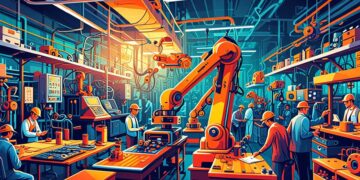
The Impact of Automation on Job Opportunities in Traditional Sectors
Automation is transforming traditional sectors like manufacturing, retail, and agriculture, enhancing efficiency while reshaping job opportunities. While it drives productivity and creates new roles, it also raises concerns about workforce displacement. Adapting through upskilling and policy support is crucial for navigating this evolving landscape of employment.