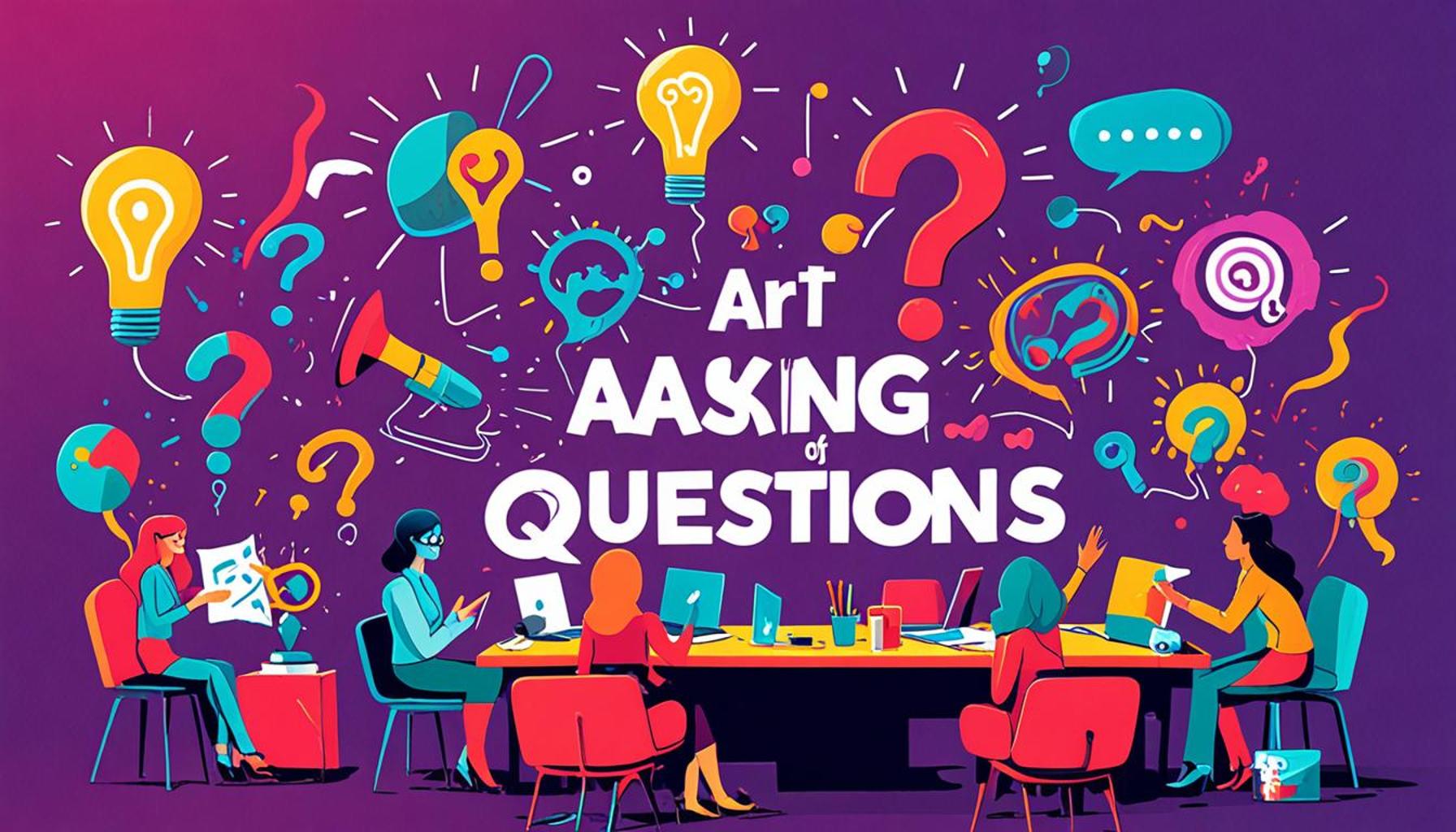
The Art of Asking Questions in Interviews: What to Ask and Why
Anúncios
The Significance of Inquiry in Interviews
Interviews are not merely a one-sided Q&A session; they represent a dynamic dialogue where both parties aim to glean essential insights. The art of asking questions is crucial in steering this exchange, significantly influencing the direction and substance of the conversation. Recognizing what to inquire about—and the rationale behind these inquiries—can distinguish a productive dialogue from a squandered opportunity.
Anúncios
- Clarification: The ability to probe deeper with focused questions helps clarify the information shared, ensuring that the perspectives of both interviewer and interviewee align. For example, if a candidate mentions a specific skill set, asking, “Can you elaborate on how you utilized that skill in your last position?” allows for a richer understanding of their application of expertise.
- Depth: Carefully structured inquiries inspire more profound discussions that can unveil valuable insights. Instead of asking superficial questions, a more complex inquiry, such as “What challenges did you face when implementing a new strategy, and how did you overcome them?” invites candidates to share their critical thinking and problem-solving abilities.
- Engagement: Poignant questions enhance engagement, transforming the interview into a collaborative dialogue. Questions like “What motivates you to excel in your field?” not only pique interest but also foster a deeper connection between the interviewer and the candidate, making the interaction feel more genuine.
Consider the profound impact a well-crafted question can have: they delineate the narrative, forge connections, and expose the deeper intricacies of an interviewee’s experiences. Strategic questioning can also demonstrate your comprehension of the industry and genuine interest in the individual’s story. For instance, in a job interview, instead of posing a standard, “Why do you want to work here?” a more nuanced question like “How do you see our company innovating in the next five years, and how do you envision contributing to that vision?” encourages a conversation that can yield exciting and unexpected insights.
As we delve further into the art of asking questions, we will examine various types of inquiries, their implications, and how to tailor them to suit your objectives. This expertise is invaluable whether you are an employer seeking to discover the best talent or a candidate eager to understand the nuances of a company’s culture. Mastering the skill of inquiry can significantly enhance your interview experience and outcomes, creating an atmosphere ripe for creativity and mutual growth.
Anúncios
RECOMMENDED: Check out this similar article
Essential Types of Questions to Enhance Your Interviews
Delving into the art of asking questions involves not only the act of inquiry but also understanding the types of questions that elicit the most meaningful responses. Different categories of questions serve distinct purposes in interviews, and knowing when and how to use them can radically transform the dialogue. Here are some essential types of questions to consider:
- Open-Ended Questions: These inquiries require more than a simple yes or no response and encourage elaboration. For instance, asking, “Can you describe a project that profoundly shaped your career?” invites the interviewee to share extensive insights about their experiences, allowing for a richer conversation.
- Probing Questions: These follow-up questions delve deeper into a topic previously mentioned, drawing out details that clarify aspects of the discussion. An example could be, “What specific skills did you employ during that project, and how did they lead to its success?” Such questions can uncover valuable information that may otherwise remain untapped.
- Situational Questions: Designed to assess an interviewee’s problem-solving and critical-thinking skills, these questions present hypothetical scenarios for candidates to navigate. For example, asking “How would you handle a conflict within your team while working on a tight deadline?” stimulates insight into their interpersonal and decision-making abilities.
- Behavioral Questions: These inquiries aim to predict future behavior based on past performances, often framed as “Tell me about a time when…” This format elicits specific examples and stories, enabling the interviewer to gauge how candidates respond to various situations based on their experiences.
- Reflective Questions: Reflective questions prompt candidates to assess their values and aspirations, deepening the conversation. For instance, “What lessons have you learned from past failures, and how have they shaped your professional outlook?” compels the interviewee to examine their growth and resilience.
Understanding these types of questions is instrumental for both interviewers and interviewees, as they each play a role in facilitating a productive dialogue. For interviewers, the ability to navigate through different types of inquiries not only demonstrates professionalism but also creates a more engaging interaction. Candidates, on the other hand, can prepare for such discussions by reflecting on their experiences through these lenses, bringing forth their best selves.
Ultimately, each question crafted in an interview should serve a purpose—whether to uncover skills, explore values, or understand motivations. The more intentional the questioning, the more likely it is that both parties will benefit from the conversation, leading to a deeper understanding and connection. In the evolving landscape of recruitment and professional interactions, mastering the art of asking questions stands as a fundamental skill that can foster meaningful dialogues and drive success.
| Category | Key Features |
|---|---|
| Understanding Motivation | Questions that uncover the reasons behind a candidate’s career choices help assess genuine passion. |
| Skill Assessment | Asking specific questions allows evaluators to gauge the depth of a candidate’s expertise and problem-solving abilities. |
| Cultural Fit | Inquiries regarding teamwork and past experiences can reveal if the candidate aligns with the company’s values. |
| Behavioral Insights | Utilizing situational questions showcases how a candidate might act under pressure and in real-life scenarios. |
The process of interviewing is as much about the questions posed as it is about the answers received. By mastering the art of questioning, interviewers can unearth important information that may not be readily available through traditional CV assessments. For example, when it comes to understanding a candidate’s communication style, asking about their favorite methods of collaboration can provide insight into how they might perform in a team. The right questions can bridge the gap between resumes and real-world performance. In today’s competitive job market, capturing a candidate’s emotional intelligence through probing questions is crucial. Questions that explore past conflicts or challenges faced can reveal strong indicators of resilience and adaptability. Offering potential candidates the opportunity to engage in conversation also fosters a two-way interaction, making the interview process not only informative but fulfilling for both parties involved. This implies an essential takeaway: the power of asking the right questions can significantly impact hiring outcomes.
RECOMMENDED: Check out this similar article
Crafting Questions That Foster Genuine Connections
As interviews evolve, the focus is increasingly shifting from a mere exchange of information to building a mutual understanding and rapport. This necessitates a delicate approach to questioning that goes beyond traditional formats, emphasizing the significance of emotional intelligence and active listening. Here are several tactics to enhance your questioning techniques:
- Follow-Up Questions: The ability to ask effective follow-up questions is crucial in interviews. These inquiries reflect engagement and encourage the interviewee to dive deeper into their responses. For example, if a candidate mentions their experience leading a team, a thoughtful follow-up might be, “What challenges did you face during that leadership period, and how did you overcome them?” This not only reveals the candidate’s resilience but also fosters a more open dialogue.
- Clarifying Questions: Sometimes elaborate responses can lead to confusion. Clarifying questions, such as “Can you explain what you meant by that?” or “Could you provide an example of that situation?” help ensure mutual understanding. This approach validates the interviewee’s thoughts and promotes clarity in communication.
- Value-Based Questions: Exploring personal values can give significant insight into a candidate’s fit within the company culture. Questions like, “What motivates you to perform at your best?” or “Can you describe a workplace environment where you feel most productive?” reveal intrinsic factors influencing their work ethic. These inquiries help employers determine if a candidate shares the same principles as those valued by the organization.
- Future-Oriented Questions: In a fast-paced world, understanding a candidate’s vision is crucial. Questions that focus on the future, such as “Where do you see yourself in five years?” or “What skills do you hope to develop in your next role?” can uncover an interviewee’s ambition and commitment to growth, aiding in assessing their long-term potential within the company.
- Cultural Fit Questions: Companies are increasingly attuned to the importance of cultural fit. Asking questions that relate to team dynamics or company values can be revealing. For instance, “How do you approach collaboration with colleagues who have different opinions?” can unveil the candidate’s adaptability and willingness to embrace diversity, which are essential qualities in today’s workplaces.
When crafting these questions, it is essential to consider the context of the interview and the specific qualities desired in a candidate. A well-structured interview is like a conversation that flows naturally, creating space for thoughtful responses. For interviewers, being prepared to pivot based on a candidate’s answers can lead to unexpected and valuable insights.
Moreover, implementing silence after asking a question can be powerful. It allows the interviewee some time to think and formulate a comprehensive response, demonstrating that their thoughts are valued. Silence can be uncomfortable, but it can also facilitate profound reflections, leading to more substantial conversations.
The art of questioning in interviews is not merely about gathering facts; it’s about constructing a narrative where both parties can articulate their aspirations and experiences. Mastering these questioning techniques broadens the horizon of understanding and ensures that the interview process is a meaningful exchange aimed at mutual growth and alignment.
ADDITIONAL INSIGHTS: Expand your understanding here
Conclusion: Unlocking the Power of Thoughtful Inquiry
The art of asking questions in interviews transcends the simple gathering of information; it paves the way for a deeper, more meaningful dialogue between interviewer and interviewee. As we’ve explored, the focus has shifted towards establishing genuine connections, where emotional intelligence and active listening play pivotal roles in creating a nurturing interview environment. By leveraging follow-up, clarifying, value-based, future-oriented, and cultural fit questions, interviewers can draw out insights that reveal the intricate nuances of a candidate’s experiences, motivations, and adaptability.
Moreover, adopting a mindset open to exploration can transform an interview from a high-pressure interrogation into a conversational journey, where both parties engage in a mutual exchange of values and aspirations. The incorporation of silence as a strategy is an often-overlooked component that can encourage candidates to share their thoughts more freely, leading to richer conversations.
Ultimately, the effectiveness of an interview lies in the questions asked and the genuine interactions that ensue. As organizations in the United States and beyond seek to bolster their teams with talent that aligns with their cultural values, honing the art of questioning is an essential craft. As you prepare for your next interview, remember that the right questions will not only help in assessing capability but will also build bridges that foster enduring relationships, laying a solid foundation for future collaboration.
Embrace the artistry of inquiry, for it is through questions that we come closer to understanding not only the candidates before us but also the very essence of the organizations we represent.
Related posts:
Strategies for Dealing with Difficult Interviews: How to Overcome Challenging Questions
Building Your Professional Narrative: How to Tell Your Story in Interviews
The Importance of Body Language in Job Interviews
How to Prepare for Virtual Interviews: Tips and Strategies
Strategies for Dealing with Difficult Questions in Interviews
Mental Preparation for Interviews: Relaxation and Focus Techniques